5 Ways to Choose the Right Gas Logs in Oklahoma City, OK
Fireplaces serve as a central gathering point in many homes, providing warmth and ambiance during the cooler months. However, traditional wood-burning fireplaces require significant maintenance, including chopping wood, cleaning ash, and managing chimney sweeps. Many homeowners in the region are transitioning to gas alternatives to enjoy the aesthetic of a fire without the hassle. Selecting the appropriate system involves understanding various technical specifications and design options. This blog post will help you navigate the process of choosing gas logs by outlining five critical factors to consider for your specific needs:
1. Determine Vented Versus Ventless Requirements
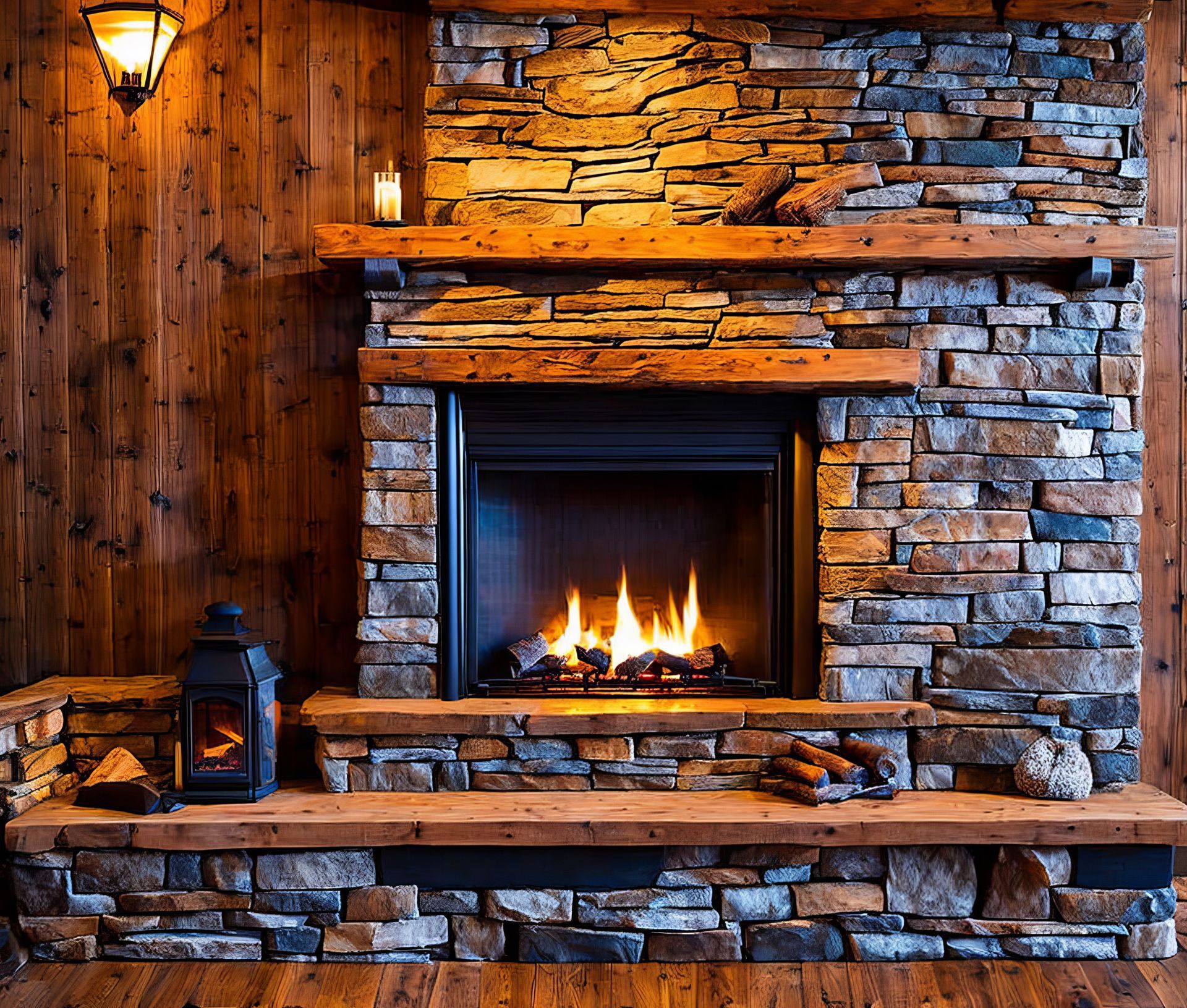
The first decision you must make is whether to install vented or ventless gas logs. This choice largely depends on your existing fireplace structure and your priorities regarding heat efficiency versus realism. Vented gas logs require an open chimney flue to exhaust combustion byproducts outside. They offer a more realistic flame pattern that closely mimics a wood fire, but they lose a significant amount of heat up the chimney. Consequently, they are ideal for homeowners who prioritize visual appeal over heating efficiency.
In contrast, ventless gas logs do not require a chimney. They burn fuel so efficiently that nearly all the heat generated remains in the room. This makes them an excellent choice for supplemental heating. However, because they release small amounts of moisture and combustion products into the home, proper room ventilation is essential. When evaluating options, consider whether your primary goal is atmospheric beauty or practical warmth, as this will dictate which system suits your living space best.
2. Evaluate Heat Output and Efficiency Ratings
Once you have decided between vented and ventless options, it is crucial to examine the British Thermal Unit (BTU) output. BTUs measure the amount of heat a unit produces. For larger rooms or open-concept living areas, a higher BTU rating is necessary to maintain a comfortable temperature. Smaller spaces may require less power, and an overly powerful unit could make the room uncomfortably hot.
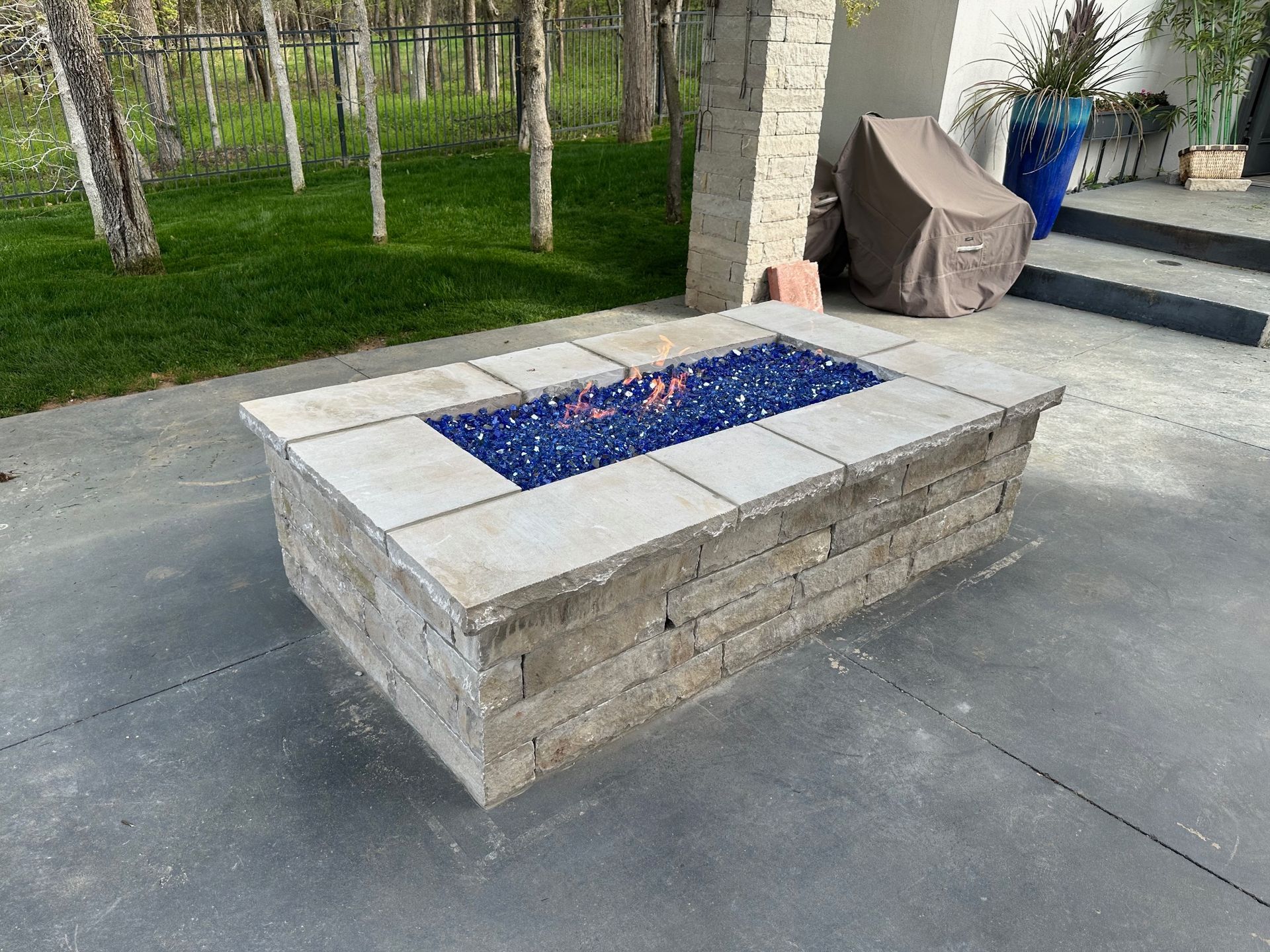
Efficiency ratings also play a vital role in long-term satisfaction. Ventless models typically boast efficiency rates near 99 percent, while vented models may range from 10 to 20 percent efficiency due to heat loss. If you are considering a gas outdoor fireplace, keep in mind that outdoor units are designed differently to withstand weather conditions and often prioritize flame visibility over indoor heating metrics. Understanding these efficiency differences ensures you select a unit that aligns with your energy goals and comfort preferences.
3. Select the Right Material and Style
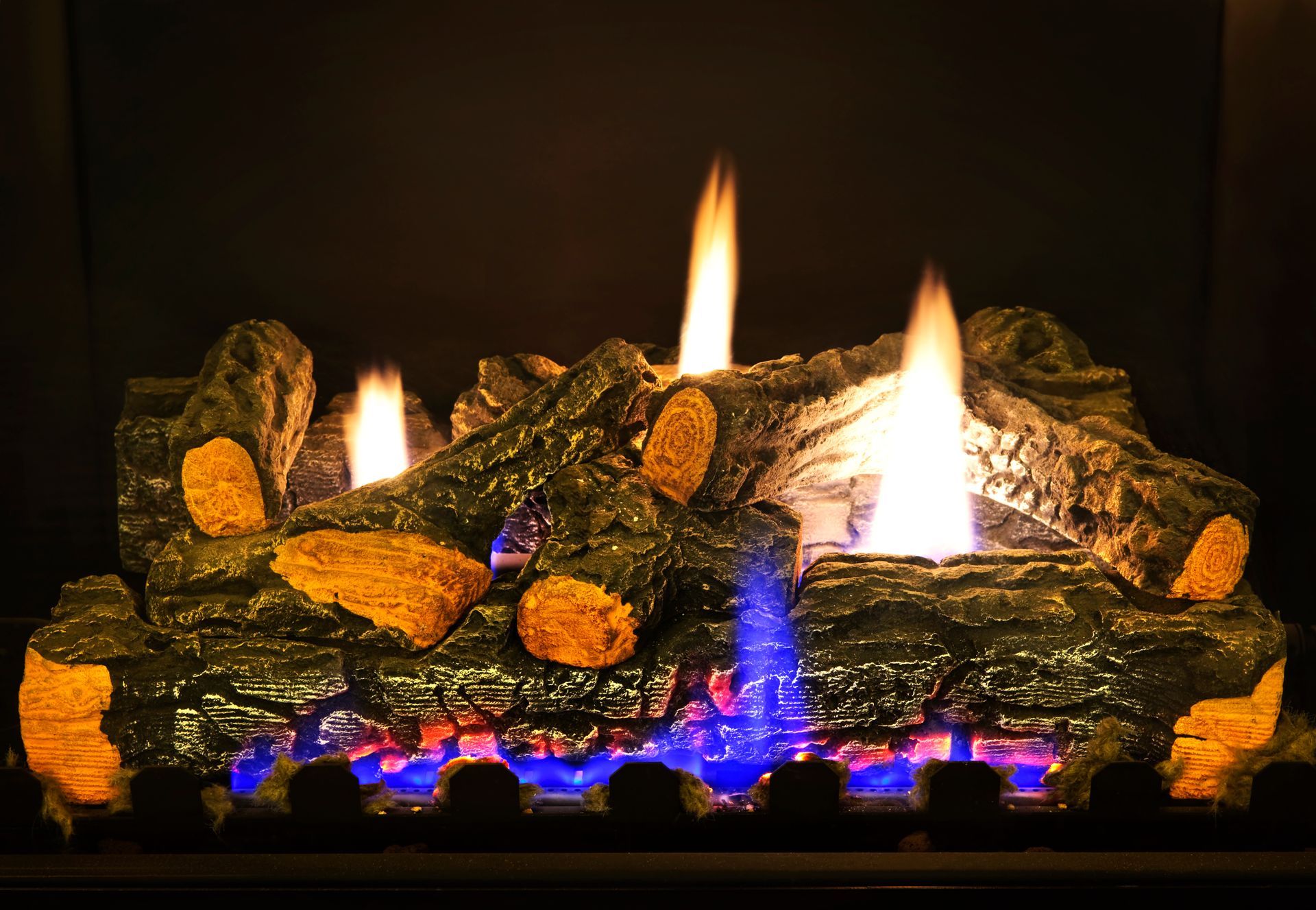
The material of the gas logs affects both their durability and appearance. Most high-quality logs are made from ceramic fiber or refractory cement. Ceramic fiber logs are lightweight and heat up quickly, providing instant gratification when you turn on the fire. Refractory cement logs are heavier and more durable, retaining heat longer and offering a more robust, realistic texture.
Style selection should complement your home’s interior design. You can choose from various wood types, such as oak, birch, or driftwood, each offering unique grain patterns and color variations. Some sets include glowing embers or charred ends to enhance realism. When browsing options for gas logs, look for sets that feature detailed hand-painting and irregular shapes. These details prevent the repetitive, manufactured look that cheaper logs often exhibit, ensuring your fireplace remains a stylish focal point.
4. Ensure Compatibility With Existing Fireplaces
Not all gas log sets fit every fireplace. Measuring your existing firebox is a critical step before making a purchase. You need to record the width, depth, and height of the firebox, as well as the location of the gas line. Installing logs that are too large can create safety hazards by placing flames too close to combustible materials. Conversely, logs that are too small may look disproportionate and fail to provide adequate coverage.
Additionally, check if your current fireplace has a working damper and whether it can be permanently fixed in the open position for vented logs. For ventless installations, ensure your local codes permit such setups in your specific municipality. Proper compatibility checks prevent costly modifications later. If you are unsure about measurements or code requirements, reviewing customer feedback on our
google profile can provide insights into how professional installation services resolve these common challenges.
5. Prioritize Safety Features and Controls
Modern gas fireplaces come with advanced safety features that protect your home and family. Look for units equipped with oxygen depletion sensors (ODS), which automatically shut off the gas supply if oxygen levels drop too low. This feature is standard in most ventless models and is crucial for indoor air quality. Additionally, consider the type of ignition system. Standing pilot lights consume a small amount of gas continuously, while electronic ignition systems are more energy-efficient and only use gas when the fireplace is in use.
Remote controls and wall switches add convenience, allowing you to adjust flame height and heat output from across the room. Some advanced models even integrate with smart home systems. When selecting gas logs in Oklahoma City, OK, prioritize units with robust safety certifications from recognized testing laboratories. This ensures that your new fireplace meets rigorous standards for performance and reliability.
Contact Fireplace Specialists LLC for Expert Guidance
Choosing the right gas log set involves balancing aesthetics, efficiency, and safety. By understanding the differences between vented and ventless systems, evaluating heat output, selecting appropriate materials, ensuring compatibility, and prioritizing safety features, you can make an informed decision. If you need professional assistance with selection or installation, call Fireplace Specialists LLC at (405) 802-9644. Our team is ready to help you enhance your home with a safe and beautiful fireplace solution.
Recent Posts